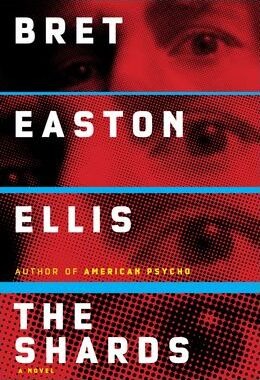
Book Review: The Shards
Then there is the length. The novel runs well past five hundred pages, and the case against it is fair: the dread accumulates until it becomes fatigue, and the deferral of answers can feel like stalling. My verdict is that the first two-thirds earn their slowness, because the slowness is Bret's evasion made physical. The middle stretches, though, repeat parties and drives whose menace has already been established, and here the atmosphere stops being evidence and becomes upholstery. Christine Smallwood's review, which attends to the tension between confession and invention, is the best account of why the book is more than a period thriller. She is also right that the unsettled reading it demands has a cost.
What the novel finally offers is an answer to why this telling, and why now. It is not a comforting one. Bret has made a story of a killer and a suspect, and in doing so he has made his own conduct the least examined part of it. Nostalgia is his refuge, and it edits out responsibility. The mystery of who did what matters less than the mystery of what he is still not saying.
It is too long and sometimes too pleased with its own withholding. But it is the most unsettling thing Ellis has written in years, and the reader who stays will find that the boy in the memory understands his own past better than his own behavior.
Post a comment